Pinner Skip Hire: Recycling & Sustainability
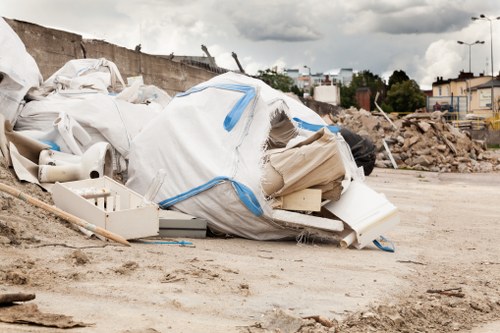
At Pinner Skip Hire we prioritise an eco-friendly waste disposal area that supports a sustainable rubbish area across Pinner and neighbouring boroughs. Our approach blends practical skip hire solutions with a clear environmental strategy: maximise reuse, increase recycling rates and minimise disposal to landfill. We believe local action drives regional impact, and our community-focused services are designed to fit borough-level waste separation schemes and household recycling behaviours.Our sustainable rubbish area program aligns with council practices in Harrow and nearby boroughs where doorstep separation of dry recycling, food waste and glass is increasingly standard. By working with local kerbside collection rules and encouraging correct segregation at source, our skips are cleaned, sorted and routed to the right channels, reducing contamination and improving recovery rates.
Ambitious Recycling Percentage Target
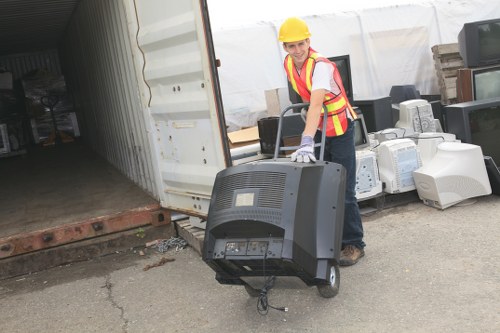
We have set a clear recycling percentage target: 70% recycling and recovery of diverted materials by 2030. This goal is ambitious but achievable through coordinated transfer, re-use and material recovery strategies. To reach it we monitor performance by material stream (wood, metal, concrete, green waste, plastic and textiles) and publish operational metrics internally to drive continuous improvement.Low-Carbon Vans and Sustainable Transport
Our fleet evolution is central to creating a low-emission skip hire service. We operate a mix of Euro 6 low-emission vehicles, hybrid vans and a growing number of electric vehicles for local runs. These low-carbon vans reduce emissions in residential areas and support low-traffic neighbourhood ambitions. We schedule loads to minimise empty miles and partner with local consolidation points to make the eco-friendly waste disposal area network more efficient.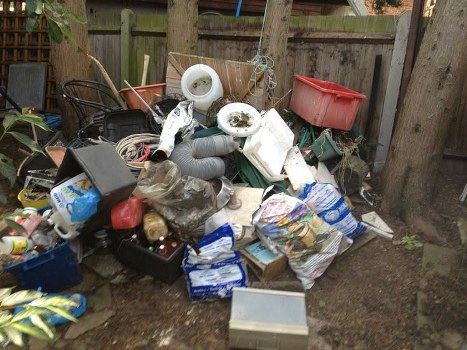 Logistics are coordinated to integrate with local transfer stations and regional waste hubs. By consolidating loads and using cleaner vehicles for short-haul movements, we cut greenhouse gases and improve air quality. In practice this means a skip collected in Pinner may be taken to a nearby transfer station for sorting, with recyclables routed to specialised processors, and residuals redirected to energy recovery where appropriate.
We also invest in driver eco-training and route optimisation software. These operational measures combine with low-emission vehicles to lower the carbon intensity of every tonne moved, supporting a truly sustainable rubbish area model across the local authority geography.
Local Transfer Stations and Material Flow
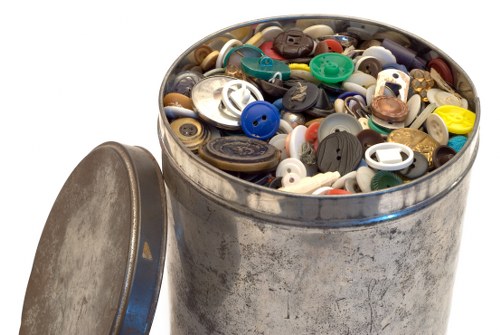
To deliver responsible waste management we work closely with several local transfer stations and intermediate recycling hubs across northwest London and surrounding counties. These facilities enable effective sorting and onward transport, turning mixed loads into segregated streams (inert, hardcore, wood, metals, soil and mixed recyclables). A streamlined transfer network helps maintain the integrity of the eco-friendly waste disposal area while cutting transport emissions through smarter routing.Our processes respect borough-level policies such as separate food/organics collection and dry recycling sorting. Where councils ask residents to separate glass, paper, plastics and food waste, our crews help ensure skips are processed to reflect those separations. This decreases contamination and raises the quality of recycled outputs.
Partnerships with Charities & Reuse Initiatives
Strong partnerships are a cornerstone of our sustainable strategy. We collaborate with local and national charities and re-use organisations to divert reusable items from the waste stream. Key partnership activities include:- Working with furniture re-use charities and community groups to recover working household goods and large items for redistribution rather than disposal.
- Donating usable textiles and clothing to local charity shops and community re-use schemes.
- Coordinating with local repair cafes and fix-it sessions to promote material longevity and support the circular economy.
These collaborations turn what would be waste into social value, supporting community needs while strengthening circular economy outcomes. We maintain records of reuse volumes and factor these into our overall recycling percentage target calculations so the social and environmental benefits are visible and measurable.
In addition to charity partnerships, our relationships with specialised recyclers and material recovery facilities ensure metals, aggregates and timber are returned to manufacturing streams. This reduces primary extraction and supports regional sustainability goals.
Finally, our community engagement work emphasises education about correct sorting practices and highlights how skip hire can be part of an eco-friendly waste disposal area strategy. By integrating workable, local solutions such as correctly placed containers for glass, separate areas for green waste and dedicated bays for hazardous materials, Pinner residents and businesses can contribute to a cleaner, greener local environment.